Breakthroughs in materials science are driving changes in how pharmaceutical fluids are managed and processed. Developments in polymer design and surface engineering have increased expectations for safety, sterility, and operational performance. Regulators and researchers continue to observe how new materials influence risk management and bioprocess efficiency within pharmaceutical manufacturing.
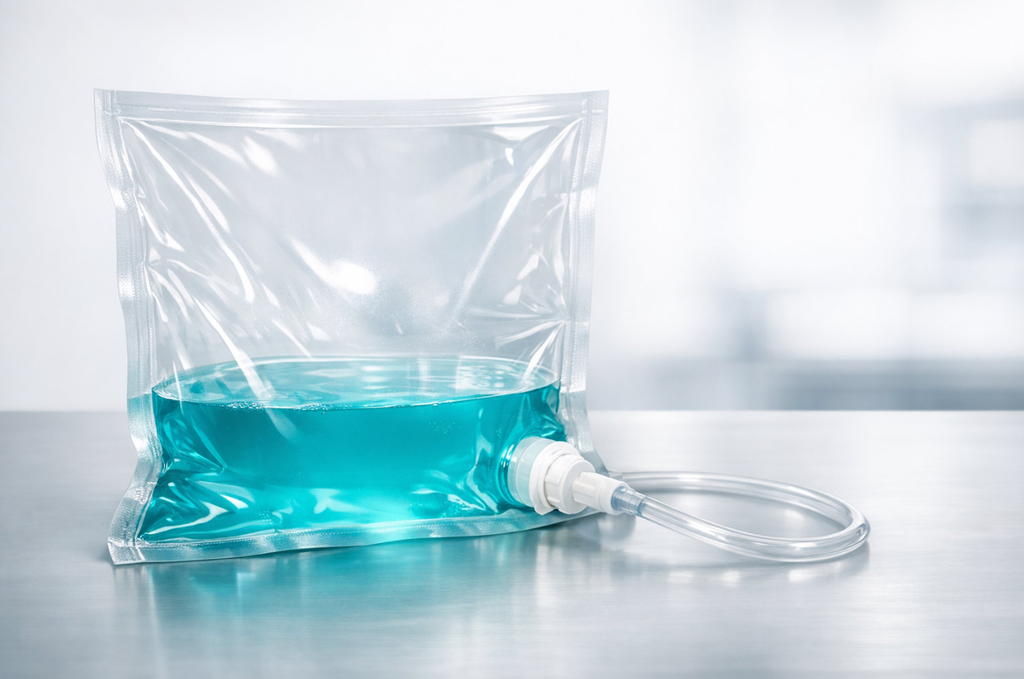
Modern pharmaceutical manufacturing increasingly relies on flexible solutions for storing, transferring, and processing biologics and chemicals. For example, bioprocess containers play a significant role by supporting the use of disposable and modular infrastructure, which can facilitate faster scale-up and help minimize cross-contamination risks. The evolving sophistication of material choices reflects the industry’s need for dependable performance in environments where precision and reproducibility matter. Understanding these materials is important for those involved in the design, operation, or oversight of pharmaceutical production systems.
Material selection impacts safety and reliability
The materials used in pharmaceutical manufacturing affect more than just the physical structure of equipment. They have implications for product safety, process scalability, and operational consistency. When evaluating materials, it is necessary to consider both chemical resistance and the ability to minimize contamination or unwanted reactions with sensitive compounds.
A shift toward flexible, hybrid, and modular production has increased demands on the materials used in fluid handling systems. Manufacturers require polymers and composites capable of withstanding autoclaving, chemical cleaning, and temperature changes without significant degradation. This situation requires engineers to balance durability with process adaptability, while ensuring safety standards are met.
Performance standards for pharmaceutical fluid systems
Control of moisture and gas permeation is important for protecting sensitive biologics and reagents from contamination. Modern pharmaceutical systems commonly use barrier films and multilayer polymers intended to reduce oxygen and moisture ingress, supporting product stability during transport and storage.
In addition to barrier properties, chemical compatibility is a core requirement for fluid contact components. These materials must remain largely inert when in contact with a wide variety of sanitizers, solvents, and process fluids encountered throughout production. This characteristic supports efforts to limit unwanted leachables or extractables.
Thermal performance is also important. Equipment and consumables may be exposed to deep freeze, rapid thawing, and other temperature changes during manufacturing. The capacity of a material to maintain its structural and barrier properties under these conditions often determines its suitability for specific workflows.
Mechanical stresses result from activities such as mixing, loading, and transit. Flexible containers and plumbing components should resist failures from stress cracking or fatigue, since pharmaceutical processes involve frequent handling and movement within cleanroom environments. Sound material selection and robust design can help limit downtime and reduce contamination risks.
Recent innovations in container material design
Materials science has produced polymer structures offering enhanced control over permeability and durability. Multilayer films are often utilized to achieve targeted gas barrier performance while maintaining clarity, strength, and flexibility suitable for fluid handling applications.
Ongoing research is directed at reducing extractables and leachables through careful resin selection, advanced compounding, and refined process controls. By limiting the migration of unintended compounds into pharmaceutical products, these practices strengthen product integrity throughout the manufacturing process.
Manufacturers are also improving container weldability to support sterile fluid transfer. Advances in surface modification enable containers and tubing to maintain more reliable seals, helping reduce the chance of breaches or microbial ingress. These material improvements often support the use of single-use and closed system designs within production facilities.
Surface engineering has further contributed by reducing adsorption of proteins and other valuable components. Through materials with engineered surface chemistries, fluid contact surfaces are less likely to interfere with process yields or reproducibility in biologic manufacturing. This area connects closely with research on protein/polymer adsorption, which examines how proteins and polymers behave at surfaces and interfaces.
Rigorous validation and future research priorities
Quality systems typically include extensive testing to characterize materials for regulated use. Laboratories conduct assessments of extractables, leachables, particulates, and sterility through simulation tests replicating operational stresses. Techniques such as accelerated aging and mechanical challenge testing provide additional insight into material performance over time.
Traceability and thorough documentation are essential for supporting compliance in regulated manufacturing. Accurate records allow manufacturers and regulators to link specific material lots, formulations, and process conditions, which can simplify investigations in the event of a quality concern.
Key research areas include efforts to harmonize standards for container materials among global suppliers and align with regulatory expectations. Areas of focus also include long-term stability, environmental impacts, and options for integrating more sustainable material choices while maintaining required performance and safety criteria.
Collaboration across disciplines such as chemical engineering, polymer science, and process analytics may help address knowledge gaps. Researchers are seeking better lifecycle data and broader studies on additive use, recycling prospects, and field performance, all of which can inform the development of future container materials.