A child sits in a clinic room, fidgeting with the hem of his sleeve. He’s been told he’s defiant, bored, maybe just difficult. His parents have heard variations of the same explanation for three years. What nobody has done yet is look closely enough at what’s actually happening inside his brain.
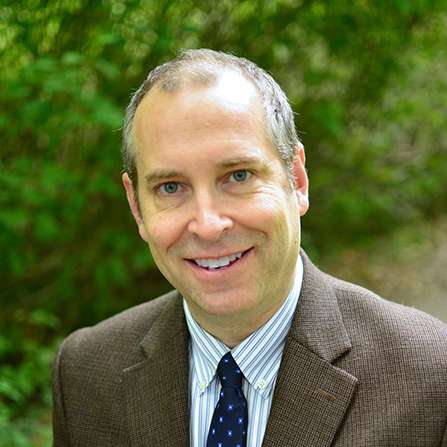
That gap, between surface behavior and its neurological root, is where Tutty has spent a good portion of his professional career. As a clinical and forensic psychologist with deep expertise in neuropsychological evaluations, Steve Tutty serves as both a Washington State and Utah psychologist, building his practice around one core conviction: that accurate, comprehensive assessment is the first step toward any meaningful change, whether for a child struggling in school or an adult rebuilding his/her life after a traumatic brain injury.
His published research, his clinical work across forensic and therapeutic settings, and his years of hands-on testing have made him a trusted voice in a field that is growing more sophisticated by the year.
What Two Losses in High School & College Set in Motion
Tutty’s path into psychology didn’t begin in a lecture hall. It began with grief.
During high school and college, two of his friends died by suicide. Both deaths came without obvious warning signs. Only afterward did the picture clarify: one friend had been enduring concealed physical abuse at home, bruises hidden beneath clothing. The other had been consumed by a perceived betrayal trauma (infidelity). Both tragically ended their life by shotgun.
“These experiences shifted my focus into psychology,” Tutty recalled at this time he was a premed student and was considering emergency medicine as a career. Instead, he began to ask, “what factors lead to such fatalistic thinking, and ultimately suicide, and how best to reverse that, should I have the chance to work with depressed youth and young adults facing similar life experiences..”
That early reckoning shaped everything that followed. It gave his clinical work an urgency that credentials alone can’t explain.
A Natural Ability That a Supervisor Named First
The confirmation came during a master’s-level internship at a sexual abuse clinic. A supervisor pulled Tutty aside. She told him she had never seen children feel so comfortable with a clinician before.
“I thought since I have a natural ability to instill trust, especially in child victims, I must be destined to help children,” he reflected.
Trust, in Tutty’s view, isn’t a soft skill. It’s the clinical foundation on which everything else rests. Without it, he has said, a client is “drifting in the sea without an oar, compass, or destination.” That belief carries through to his neuropsychological work today, where building rapport before a lengthy neurological assessment battery can help the individual put forth their best effort to identify the core strengths and challenges.
Why Neuropsychological Assessment Changes the Outcome
For many families, a neuropsychological evaluation arrives as a last resort, after years of misdiagnosis, failed interventions, or confusing school reports. Tutty sees it differently. For him, comprehensive neuropsychological testing is the starting point, not the conclusion.
“The psychology field has become much more sophisticated in the use of neuropsychological testing methods to better identify the core challenges in children and adults,” he explained.
This is especially true in cases involving traumatic brain injury. When an adult sustains a TBI, the structural damage assessed on a CT or MRI, or lack thereof, is often only part of the story. Neuropsychological assessments can help pinpoint the deficits in visual and auditory memory, language expression, fine motor dexterity, executive functioning, and personality changes post injury, that a standard clinical interview would often miss the mark.. Without that detail,the prognosis and specific steps needed in the rehabilitation process is limited.
Tutty’s approach to brain health evaluation rests on a few consistent principles:
- Establish a clear pre-injury neuropsychological baseline using tests, records, and collateral interviews that establish premorbid (pre-injury) functioning
- Identify specific neurological and psychological changes that occurred after the injury
- Determine if those changes are directly due to the injury or predating the injury in question
- Build evidence-based treatment recommendations tailored to the specific injury limitations
- Connect findings to practical accommodations in work, school, or daily functioning
The goal, as he put it, is to help individuals “recover, as close as possible, their pre-injury functioning..”
Dr. Steve Tutty’s Research and the Science Behind His Practice
Tutty’s clinical instincts are grounded in a genuine research career. His peer-reviewed publications span telehealth psychotherapy for depression, ADHD behavioral intervention, and the integration of phone-based counseling into primary care settings. Some of that work appeared in JAMA and the Journal of Consulting and Clinical Psychology, two of the most rigorous venues in medicine.
His 2003 study in the Journal of Developmental and Behavioral Pediatrics examined behavioral and social skill development in children newly diagnosed with ADHD. The findings pointed away from medication as the default answer. In that study, Tutty indicated that e also showed that medications are not often the panacea for treating ADHD,” Tutty said, “and social skills training can work just as well.”
A partial list of his peer-reviewed contributions includes:
- A 2010 study in Behavioral Therapy evaluating telehealth interventions for depressed adults
- A 2007 randomized trial in JCCP on the durability of telephone psychotherapy for depression
- A 2004 JAMA randomized controlled trial on telephone psychotherapy alongside antidepressant treatment
- A 2003 pediatric study on social skills training as a complement to ADHD diagnosis
This body of work (studies 1-3) helped lay scientific groundwork for the video and digital counseling movement that now defines how most therapy is delivered.. Tutty was part of that shift before it had a name.
How the Field Has Changed, and What That Means for Patients
The psychology field Tutty entered looked quite different from the one he practices in today. The change has been considerable and, in many ways, positive.
Testing methods are sharper. Treatment models have broadened. And the stigma around seeking help, particularly for young adults, has faded in ways that earlier generations couldn’t have anticipated. “Therapy is now encouraged and largely accepted,” he observed.
The field has also shifted toward what he calls an eclectic model, where providers draw from elements of cognitive behavioral therapy, psychodynamic approaches, interpersonal frameworks, and others, depending on what the individual actually needs. For neurological rehabilitation specifically, the approach is more structured to measure brain functioning across a wide range of domains – memory, attention, cognition, language, etc.
The move to video-based delivery has also expanded access significantly. But Tutty is clear-eyed about its limits. In-person neuropsychological evaluation remains essential for cognitive assessment work, where standardized conditions, observed behavior, and hands-on testing protocols can’t always be replicated through a screen.
The Lasting Impact He Is Working Toward
Tutty is currently writing a book aimed at giving families practical guidance across developmental ages and stages. It is slated for publication in January 2027.
But when he speaks about legacy, he doesn’t reach for the institutional or the abstract. He returns to individual clients. The children and young adults who arrived with untapped potential and left with a clearer map of their own minds.
“The real impact has been with the child clients I have had the opportunity to provide therapeutic discovery and guidance they can use across their lifespan,” he said.
Outside the office, Tutty finds his footing in nature. Each day he spends time with animals, dogs, cats, birds, and takes at least an hour to simply observe what’s around him: clouds, the sea, the wind. He has also sought out immersion in other cultures. A recent period spent in Vietnam, living as the locals do, left a lasting impression. He is looking forward to his next cultural immersion in Bhutan.It’s a life shaped by careful observation, a skill that serves him equally well in a clinic room and on an open coastline.
“The real impact,” he said, “has been with the child clients I have had the opportunity to provide therapeutic discovery and guidance they can use across their lifespan.”
This article is for informational purposes only and does not constitute medical, psychological, or clinical advice. Neuropsychological evaluation and rehabilitation services should be sought through a licensed and qualified healthcare provider based on individual circumstances.