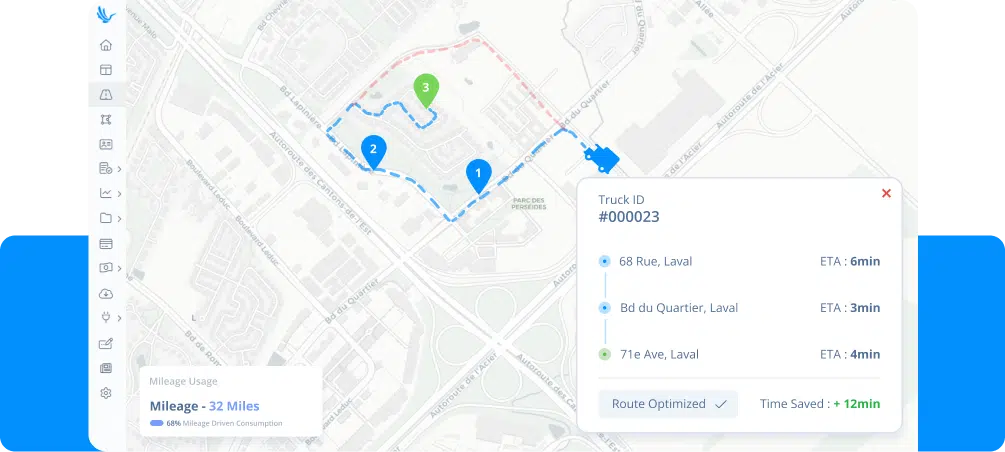
In today’s highly competitive logistics and transportation landscape, businesses of all sizes are searching for ways to improve efficiency, cut costs, and enhance customer satisfaction. One powerful tool that has emerged as a game-changer is routing optimization software. From small delivery teams to large fleets, this technology helps companies plan smarter routes, reduce fuel usage, and deliver more on time every time.
In this blog, we’ll explore what routing optimization software is, why it matters, how it works, and the key benefits it delivers to businesses in logistics, transportation, last-mile delivery, and beyond.
What Is Routing Optimization Software, and Why Does It Matter?
At its core, routing optimization software refers to advanced digital systems that automatically calculate the most efficient routes for vehicles based on multiple variables. These variables can include distance, traffic patterns, delivery time windows, vehicle capacity, driver schedules, and even real-time events like weather or road closures.
Rather than relying on manual planning or inefficient guesswork, businesses that adopt routing optimization software can dramatically streamline operations. This translates into faster delivery times, reduced fuel consumption, lower operational costs, improved customer experiences, and better scalability.
How Routing Optimization Software Works
Understanding how routing optimization software functions helps illustrate why it’s such a vital asset for modern fleet operations. Here’s a step-by-step breakdown of how this technology transforms raw data into actionable route plans:
1. Data Collection and Integration
The first step is gathering relevant data from multiple sources:
- Order information and delivery addresses
- Vehicle characteristics (capacity, type, restrictions)
- Driver availability and qualifications
- Traffic data, historical travel times, weather
- Customer time windows and priorities
By bringing this data together in a centralized system, the software can make smarter, data-driven decisions.
2. Route Planning and Optimization Algorithms
Once the data is integrated, routing optimization software uses advanced algorithms and machine learning techniques to calculate optimized routes. These algorithms evaluate millions of possible route combinations to find the most efficient sequence for stops that meets all constraints.
This isn’t just about finding the shortest path; it’s about finding the best path based on multiple real-world factors.
3. Real-Time Adjustments
One of the biggest advantages of routing optimization software is the ability to react to change. If a traffic jam occurs, or if a delivery needs to be rescheduled, the system can instantly recalculate routes and send updates to drivers. This dynamic routing ensures operations stay on track even when conditions shift.
4. Driver Communication and Navigation
Once the optimized routes are calculated, the software pushes them directly to drivers via mobile apps or in-cab devices. Drivers receive turn-by-turn navigation, updates on changes, and real-time alerts, which keep them focused on the road rather than on planning deliveries.
Key Benefits of Routing Optimization Software for Businesses
Now that we understand how this technology works, let’s explore the top benefits of deploying routing optimization software for fleet and delivery operations.
1. Reduced Fuel and Vehicle Wear
Fuel efficiency is a major cost driver for any transportation operation. When routes are optimized, vehicles travel fewer miles and spend less time idling in traffic. This directly reduces fuel consumption and minimizes wear and tear on vehicles, which translates to savings on maintenance and repairs.
2. Higher Delivery Accuracy and On-Time Performance
Customers expect fast and reliable delivery experiences. With optimized routes, delivery windows are more accurate, and on-time performance increases. This leads to:
- Higher customer satisfaction
- Better online reviews
- Increased repeat business
Routing optimization software ensures drivers are where they need to be on time, which builds trust and loyalty with customers.
3. Lower Labor Costs
Manual route planning can be time-consuming and prone to errors. With routing optimization software, planners can save hours of work every day. Drivers also spend less time on the road, which reduces overtime expenses and allows companies to reallocate labor more efficiently.
4. Scalable Route Planning for Growth
As a business grows, so does the complexity of routing and delivery planning. What worked with 10 stops a day doesn’t scale to 100. Routing optimization software is designed to handle this complexity by:
- Planning routes with hundreds of stops
- Managing dozens of vehicles
- Balancing workload evenly across drivers
This scalability means businesses can expand without sacrificing efficiency.
5. Better Customer Communication and Visibility
Modern routing optimization software doesn’t just plan routes; it also helps keep customers informed. Features like delivery tracking, ETA notifications, and proof-of-delivery updates keep customers in the loop and reduce inbound customer support calls.
Improved visibility also benefits internal teams, enabling customer service to see exactly where a delivery is and proactively communicate any delays.
Industries That Benefit Most from Routing Optimization Software
The applications of routing optimization software extend far beyond traditional delivery companies. Here are some industries where this technology is making a significant impact:
Transportation and Logistics
For freight companies and logistics providers, route optimization is essential to manage complex networks of deliveries and pickups across regions or entire countries.
Last-Mile Delivery Services
With the rapid growth of e-commerce, last-mile delivery has become one of the most challenging and costly segments of logistics. Routing optimization software helps ensure the final delivery leg is fast, efficient, and cost-effective.
Field Service Operations
Companies with technicians in the field, such as HVAC services, appliance repair, pest control, and telecom installations, use routing optimization to assign jobs effectively and reduce travel time between appointments.
Public Services and Utilities
Public service providers, like postal services, waste management, and utility companies, rely on optimized routing to maintain schedules and operate within budget constraints.
Real-World Impact: What Businesses Are Seeing
Businesses that adopt routing optimization software often report transformational results. Here are some outcomes companies typically experience:
- 20–30% reduction in fuel costs
- 25–40% fewer miles driven
- Improved on-time delivery rates
- Reduced planning time for dispatch teams
- Enhanced customer satisfaction scores
These improvements add up, not just in dollar savings, but in overall operational performance and competitive advantage.
Choosing the Right Routing Optimization Software
Not all routing solutions are created equal. When evaluating different platforms, consider the following features:
Advanced Algorithms
Choose software that uses proven optimization algorithms capable of handling large, complex datasets.
Real-Time Traffic and Updates
Dynamic routing adjustments based on live traffic, weather, and delivery changes are essential for responsive operations.
User-Friendly Interface
Planners and drivers alike should be able to interact with the system easily, whether on desktop or mobile.
Scalability
Software should grow with your business, supporting more drivers, more stops, and more complex routing needs.
Integration Capabilities
The ability to integrate with your existing systems, such as CRM, TMS (Transportation Management System), and order management software, ensures seamless data flow.
Conclusion
For businesses seeking smarter, more efficient operations, routing optimization software is no longer an optional luxury, it’s a strategic necessity. The combination of reduced costs, improved delivery performance, and increased scalability makes this technology indispensable for modern fleet and field service operations.
By leveraging powerful algorithms, real-time data, and intelligent mobile communication, routing optimization software transforms the way fleets are managed, giving companies the competitive edge they need in a fast-moving digital economy.
If your business is ready to take delivery and fleet efficiency to the next level, choosing a trusted solution like Cigo Tracker can be the catalyst for meaningful, long-term growth.
